
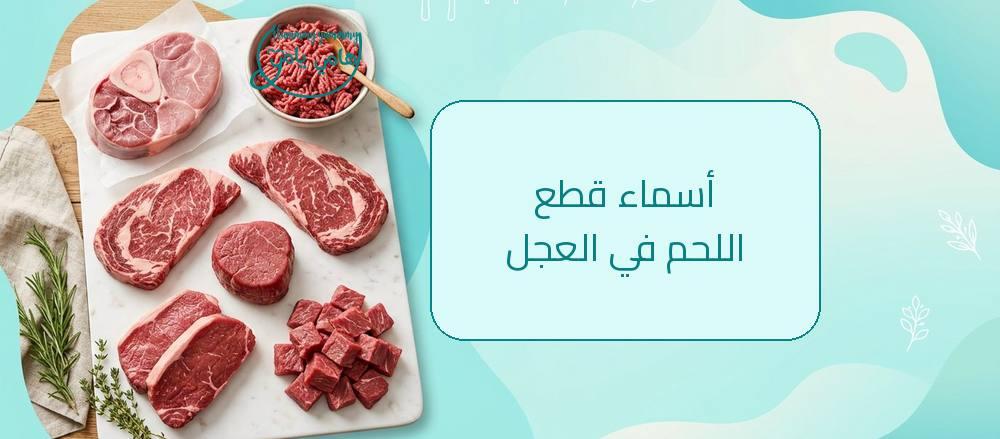
Choosing the right cut of beef can make the difference between tender, flavorful meat and a meal that simply does not suit the cooking method you had in mind.
Not every cut should be cooked the same way. Some cuts are naturally well suited to quick, high-heat cooking and grilling, while others perform better when given more time with moisture and gentle heat.
For example, Ribeye, Tenderloin and Top Sirloin are popular grilling and steak choices, while Shank and many Chuck cuts are better suited to braising, stewing and slow cooking.
That leads to one simple rule:
Quick answer: Start with the dish. For steak and quick grilling, consider Ribeye, Tenderloin, or Sirloin. For boiling, broth, stews, and slow cooking, choose Shank, Chuck/shoulder, or suitable cooking cuts. The best cut is the one that matches your cooking method.
The best beef cut is not necessarily the most expensive one. It is the cut that matches the dish you want to cook.
This guide explains the main beef cut names, where they roughly come from, what makes them different and how to choose the right cut for steak, grilling, boiling, Saudi-style rice dishes, slow cooking and everyday family meals.
Why Do Beef Cuts Have Different Uses?
Different parts of the animal perform different amounts of work.
Cuts from heavily used areas such as the legs generally have a firmer structure and benefit from slower cooking methods. Beef Shank, for example, comes from the leg and is commonly braised or slow-cooked until fork-tender.
The Chuck or shoulder area is also known for producing richly flavored cuts, including roasts that become tender with slow cooking. At the same time, the Chuck also produces some more tender cuts that can be grilled, so the name of the primal section alone does not tell the entire story.
Cuts from the Rib and Loin areas include some of the world's best-known steaks. Ribeye is valued for its marbling and rich flavor, while Tenderloin is especially prized for tenderness. Top Sirloin offers a versatile balance of flavor, juiciness and usability.
Understanding these differences makes shopping much easier because you can start with one question:
What am I cooking?
Beef Cuts and Their Best Uses
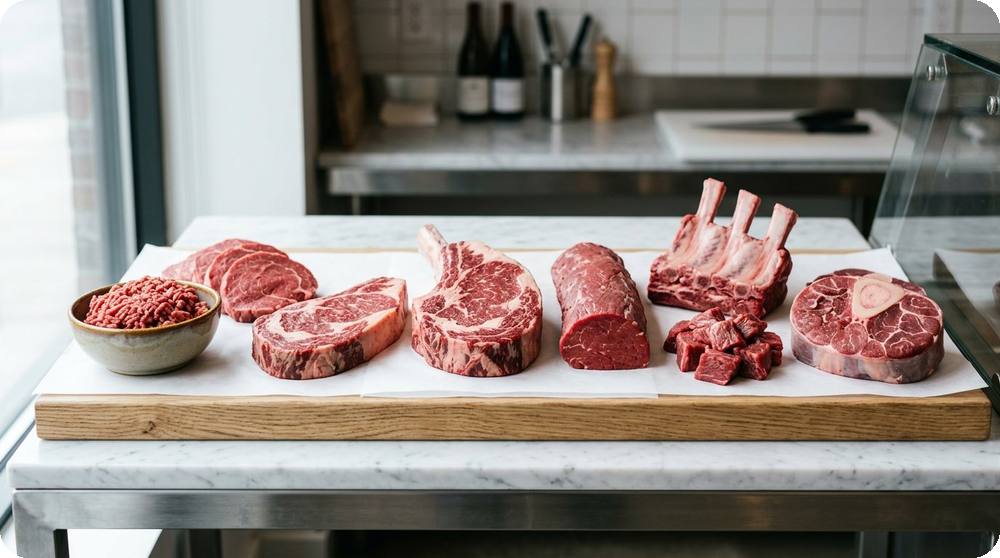
| Beef Cut | General Location | Main Characteristic | Best Uses |
| Shank | Lower leg | Firm cut that benefits from long cooking | Braising, boiling, soups, stews |
| Chuck / Shoulder | Front shoulder | Beefy flavor and varied texture | Slow cooking, stews, braises, cubes |
| Ribs | Rib section | Rich flavor; some cuts have generous marbling | Grilling, roasting, slow cooking depending on cut |
| Ribeye | Rib section | Juicy, richly marbled | Steak and grilling |
| Tenderloin | Loin | Extremely tender and relatively lean | Steak, skillet cooking, grilling |
| Sirloin | Sirloin area | Flavorful and versatile | Steak, grilling, kabobs |
| Round / Leg | Rear section | Generally leaner and firmer | Roasting, thin slices, cubes, selected steaks |
| Ground Beef | Can be produced from different cuts | Texture and fat level depend on blend | Burgers, kofta, fillings, sauces |
Professional beef cut guides consistently list Ribeye, Tenderloin and Top Sirloin among strong grilling choices, while Shank and numerous Chuck roasts are better suited to moist, slow cooking.
Beef Shank: Best for Slow Cooking and Broth-Based Dishes
Beef Shank comes from the leg, an area that is used extensively for movement.
Because of that, it is not normally treated like a quick-cooking steak. It benefits from time, moisture and gentle cooking. Beef Checkoff specifically recommends braising Shank Cross-Cuts and describes slow cooking as the preferred route to a tender result.
Shank works especially well for:
- Slow-cooked meat dishes.
- Beef soups and broths.
- Braised recipes.
- Stews.
- Dishes in which the meat cooks in liquid for an extended period.
In Arabic and Saudi meat shops, similar leg cuts may commonly be described as mozat or shank pieces.
The key point is not the terminology, however. If the recipe requires a rich broth and long cooking time, Shank is often a far better choice than spending more on a premium grilling steak.
Chuck and Shoulder: A Practical Choice for Everyday Cooking
The shoulder area is one of the most useful sections for home cooking.
Chuck produces several cuts, and many are known for full beef flavor and for becoming tender through braising or slow cooking. Beef Checkoff lists several Chuck roasts among its recommended slow-cooking cuts.
This makes suitable Chuck or shoulder cuts useful for dishes such as:
Stews, meat-and-vegetable dishes, slow-cooked sauces, rice dishes, beef cubes and family meals that need time for the flavors to develop.
For Saudi-style cooking, a properly selected shoulder cut can work well when preparing beef for rice dishes such as kabsa, especially when you want cubes that can cook with spices and stock.
However, remember that “shoulder” covers more than one specific cut. Some cuts from this section are designed for slow cooking, while others can be prepared differently.
When shopping, telling the butcher what you plan to cook is often more useful than simply asking for “shoulder.”
What Is the Difference Between Shank and Shoulder?
Shank comes from the leg and generally benefits strongly from long, moist cooking.
Shoulder or Chuck is a much broader section that produces several different cuts. Many are ideal for slow cooking, although the section also includes cuts that can be prepared using faster methods.
As a simple buying rule:
Choose Shank when you specifically want a cut for broth, braising or long cooking.
Choose an appropriate Chuck or shoulder cut when you want greater flexibility for stews, cubes, rice dishes and everyday recipes.
Rib Cuts: For Rich Flavor
The Rib section produces some of the most recognizable beef cuts.
Depending on how the section is broken down, rib cuts may be used for grilling, roasting or slow cooking. One of its most famous steaks is Ribeye.
Ribeye is known for generous marbling and a rich, juicy flavor profile, which is why it appears prominently among recommended grilling steaks.
If you prioritize strong beef flavor and a juicy steak experience, Rib cuts deserve particular attention.
Ribeye: A Rich, Juicy Grilling Steak
Ribeye is an excellent answer to the question: Which steak should I choose for maximum flavor?
The cut is recognized for its marbling—the streaks of fat distributed through the meat—which contributes to its rich eating experience.
Beef Checkoff describes Ribeye as rich, juicy and full-flavored with generous marbling, and recommends it for grilling.
Choose Ribeye when you want:
A rich grilled steak, good juiciness and a strong beef flavor.
It is particularly attractive for steak dinners and occasions where the meat itself is the center of the plate.
Tenderloin: When Tenderness Comes First
Tenderloin is one of the easiest beef cuts to recognize by its reputation.
It is particularly well known for tenderness. Beef Checkoff describes Tenderloin Steak, or Filet Mignon, as the most tender steak, with a fine texture and a relatively lean profile.
That makes Tenderloin an excellent option when you want a steak that is easy to cut and has a soft texture without relying on heavy marbling.
Hummmy Yummmy lists a local veal Tenderloin steak within its beef and veal selection.
Sirloin: A Balance of Flavor and Versatility
Not every steak meal requires the richest or most tender cut.
Top Sirloin offers a useful middle ground. It is described as flavorful, juicy and versatile, and it can be served as a steak or cut into pieces for kabobs. It also works with grilling, skillet cooking and stir-frying.
Choose Sirloin when you want one piece of beef that can work across several meals rather than being reserved for only one preparation.
It can be a practical choice for:
Steaks, kabobs, grilled beef pieces, quick skillet meals and sliced beef dishes.
Round and Leg Cuts: Useful Beyond Steak
The rear leg or Round includes several individual cuts with different characteristics.
These cuts are often leaner and firmer than heavily marbled steaks, and the correct preparation depends heavily on the exact cut and thickness.
Rather than treating all leg meat as interchangeable, ask whether the product has been prepared for steaks, roasting, thin slices or slow cooking.
Hummmy Yummmy lists local veal leg steak, with the product page presenting the cut as suitable for several preparation styles.
Best Beef Cuts by Cooking Method
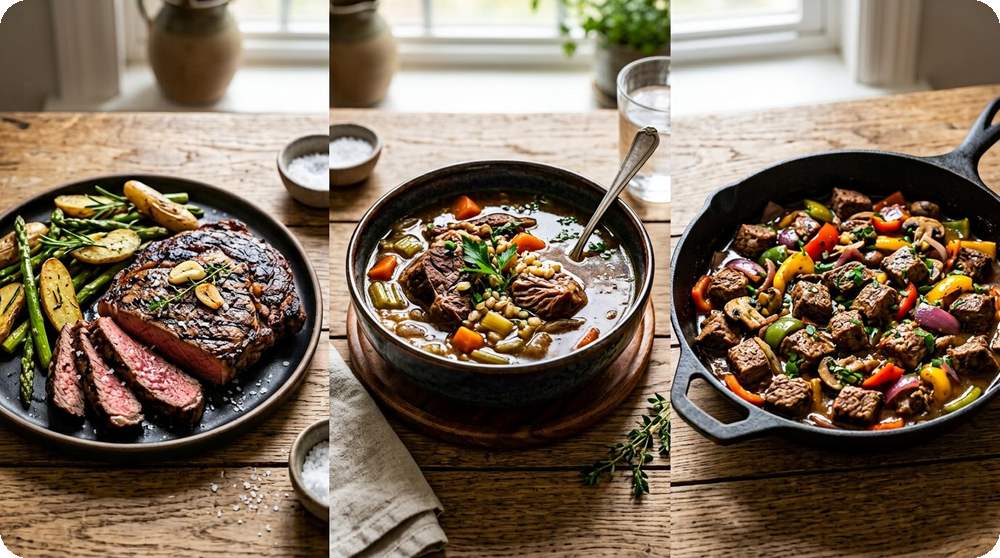
Remembering every cut name is not necessary.
For most shoppers, it is easier to choose beef according to the cooking method.
Best Beef Cuts for Grilling
If you want a traditional steak experience, several well-known cuts are specifically suited to the grill.
Ribeye: Best when rich flavor and marbling are your priorities.
Tenderloin: Best when tenderness comes first.
Top Sirloin: Good when you want a versatile steak with plenty of flavor.
Other popular grilling choices include Strip Steak, T-Bone, Porterhouse and Flat Iron, although availability differs by butcher and store.
Hummmy Yummmy also publishes a guide to steak types and a separate guide to cooking beef steak.
Best Beef Cuts for Kabsa
There is no single cut that must be used in every beef kabsa.
The practical goal is to choose meat that can cook with liquid and spices long enough to develop flavor without paying a premium for tenderness you do not need.
Suitable shoulder or Chuck pieces and Shank-style cuts can therefore be practical options, depending on whether you prefer boneless meat, bone-in meat or a richer broth.
When ordering, ask for beef suitable for kabsa or slow cooking rather than ordering steak cuts by default.
Best Beef Cuts for Boiling
Shank is a natural candidate for boiling, soups and dishes that combine meat with cooking liquid.
Its structure is particularly suited to slow, moist cooking methods.
Shoulder cuts and some bone-in pieces can also work, depending on how rich you want the broth to be.
A useful distinction is:
If broth is an important part of the dish, consider a cut that includes bone and connective tissue.
If convenience and easy serving matter more, a suitable boneless cooking cut may be preferable.
Best Beef Cuts for Everyday Meals
You do not need Tenderloin or Ribeye every time beef appears on the menu.
For curries, stews, vegetables, sauces and meat cubes, suitable shoulder, leg or boneless cooking cuts can offer more flexibility.
Hummmy Yummmy's published boneless local veal product is presented as a versatile option for different recipes.
Quick Beef Cut Selection Map
| What You Want to Cook | Look For |
| Very tender steak | Tenderloin |
| Rich, juicy steak | Ribeye |
| Versatile grilled steak | Top Sirloin |
| Soup or broth | Shank or another boiling cut |
| Kabsa | Suitable Chuck/shoulder or Shank-style cooking cuts |
| Slow-cooked stew | Chuck, shoulder or Shank |
| Everyday beef cubes | Shoulder, suitable leg cut or boneless cooking beef |
| Burgers or kofta | Ground beef with a suitable fat level |
This approach is usually more useful than memorizing dozens of butcher terms because it connects the purchase directly to the meal you are planning.
Where Do Steak Cuts Come From?
“Steak” does not refer to one single location on the animal.
Several different beef cuts can be portioned as steaks, and each produces a different eating experience.
Ribeye comes from the Rib section. Tenderloin comes from the Loin, while Sirloin steaks come from the Sirloin area. Their different locations and characteristics help explain why they vary in tenderness, flavor and marbling.
That is why simply telling a butcher “I want steak” may not be specific enough.
A more useful request would be:
“I want a tender steak.”
“I want a richly marbled steak for grilling.”
“I want a leaner, versatile steak.”
Once you describe the result, choosing the cut becomes much easier.
Is the Most Expensive Beef Cut Always the Best?
No.
Price does not tell you which cut is best for your recipe.
Premium steak cuts can be excellent when their natural characteristics match the cooking method, but using a highly tender steak for a long stew may offer little benefit.
Likewise, taking a Shank cut designed for slow, moist cooking and treating it like Ribeye on a very fast grill will not produce the same result.
The smarter question is not:
“Which cut costs more?”
It is:
“Which cut gives me the result I need?”
Common Mistakes When Buying Beef Cuts
Choosing by Name Alone
A cut can have an excellent reputation and still be wrong for your dish.
Tenderloin is a premium steak cut, but that does not automatically make it the right purchase for a slow-cooked family stew.
Cooking Every Cut the Same Way
Quick grilling works particularly well for many steak cuts, while Shank and several Chuck cuts benefit much more from slower cooking and moisture.
Not Telling the Butcher What You Are Cooking
Instead of asking for “one kilogram of beef,” explain the purpose:
Beef for kabsa.
Beef for grilling.
Beef for slow cooking.
Steak for a skillet.
Meat for broth.
That one piece of information can dramatically narrow the selection.
Assuming Leaner Is Always Better
The right fat level depends on the dish.
Ribeye, for example, is specifically valued for its marbling and the rich, juicy eating experience it provides.
For another recipe, however, you may intentionally prefer a leaner cut.
How to Choose the Right Beef Cut
Before buying, answer three questions.
1. What am I cooking?
Steak, kabsa, soup, stew, grilled meat or a quick family dinner?
2. How will I cook it?
Will the meat spend a few minutes over high heat, or will it sit in a pot with liquid for a long period?
3. What result matters most?
Maximum tenderness?
Rich flavor?
A good broth?
Lean meat?
Versatility?
Once you know those answers, the butcher's display becomes much less confusing.
And if you do not know the name of the cut, that is fine.
Tell the butcher or store team what you want to cook and let the intended use guide the recommendation.
Frequently Asked Questions About Beef Cuts
What is the best beef cut for boiling?
Shank is one of the strongest choices for boiling and long, moist cooking. Other suitable shoulder or bone-in cuts may also be used depending on the dish.
What are the best cuts of beef for grilling?
Popular grilling choices include Ribeye, Tenderloin, Top Sirloin, Strip Steak and T-Bone. Each offers a different balance of tenderness, flavor and marbling.
What is the difference between Ribeye and Tenderloin?
Ribeye is known for rich flavor, juiciness and generous marbling. Tenderloin is particularly known for tenderness and has a finer, leaner texture.
What is a good beef cut for kabsa?
Suitable Chuck or shoulder cuts and Shank-style cooking cuts can work well because they are appropriate for cooking with liquid and spices. The best choice depends on whether you prefer bone-in or boneless meat and how long you plan to cook it.
What is the difference between Shank and Chuck?
Shank comes from the leg and strongly benefits from slow, moist cooking. Chuck comes from the shoulder and contains a broader range of cuts, many of which are also excellent for slow cooking.
Can any beef cut be used as steak?
Many cuts can technically be sliced into steak-shaped portions, but they will not all deliver the same result. Cuts specifically suited to grilling—such as Ribeye, Tenderloin and Top Sirloin—have characteristics that make them much better suited to quick steak cooking than Shank or most slow-cooking roasts.
Final Takeaway: Choose the Dish Before the Cut
Learning beef cut names is useful, but the real goal is not to memorize a butcher's chart.
It is to buy the right piece of meat for the meal you want to prepare.
For steak, look toward cuts such as Ribeye, Tenderloin and Sirloin, depending on whether your priority is rich flavor, tenderness or versatility.
For soups, braises and long cooking, consider Shank, Chuck and suitable shoulder cuts.
For everyday family meals, a practical boneless cooking cut may be a better purchase than a premium steak.
The simplest rule to remember is:
The best beef cut is the one that matches your cooking method.
To compare options before ordering, review the veal and beef section at Hummmy Yummmy and choose the cut based on the dish you plan to cook.