
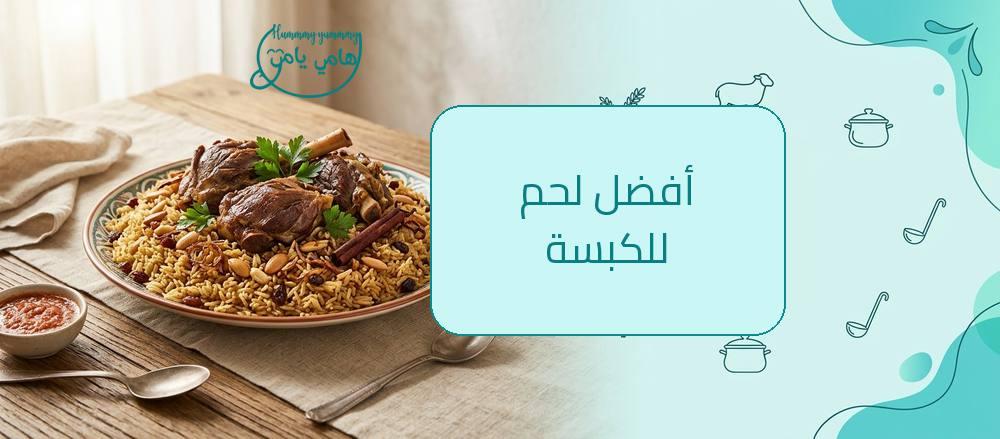
The best meat for kabsa is the type and cut that match the flavor and serving style you want. Choose lamb when you want a pronounced traditional character on the kabsa platter. Consider veal when you want evenly sized pieces or more flexibility between bone-in and boneless products. But the decision does not end with “lamb or veal?” Shoulder, shank, neck, and other cuts suited to moist cooking serve kabsa differently from quick-grilling cuts.
What is the best meat for kabsa?
There is no universal winner. Lamb may be closer to household expectations, while veal may suit guests who prefer a different taste or a meal that needs even pieces. Camel meat can be a third option for people who prefer it.
- Lamb: useful for a traditional Saudi-style character.
- Veal: practical for buying a defined amount and comparing bone-in with boneless.
- Camel: an alternative for regional meat dishes.
- Bone-in: suitable when traditional presentation and cooking liquid are part of the goal.
- Boneless: easier to portion and serve and clearer for net meat weight.
The useful decision combines meat type and cut. A premium grilling cut is not automatically the most practical option for a rice dish cooked with liquid.
Lamb or veal for kabsa? A practical comparison
| Decision factor | Lamb | Veal |
| Overall character | Closer to familiar traditional kabsa presentation | Different character with flexible cuts |
| Options | Hari, Naimi, Sawakni, and other products | Bone-in and boneless cuts in even sizes |
| Gatherings | Works well with boxes and whole-lamb options | Practical when buying a defined weight |
| Presentation | Traditional prominent pieces over rice | Easy to divide into similar portions |
| Bone-in | Available in multiple cuts and products | An option to compare with net meat |
| Boneless | Available depending on cut and preparation | Convenient for family serving |
For lamb kabsa, begin with the fresh lamb category. For veal, compare bone-in local veal with boneless local veal.
When should you choose lamb?
Choose lamb when guests already prefer its character or when you want a traditional platter topped with visible pieces. Multiple lamb types and cuts let you match the event instead of treating all lamb as one option.
Is Hari good for kabsa?
Hari can be a strong starting point for a clear lamb-based kabsa. Check the exact product and included cuts rather than relying on the Hari name alone. One published option is the Giga Hari Box.
Is Naimi good for kabsa?
Naimi is another lamb option, with the decision tied to preference, product, and current size. For selected cuts rather than a whole animal, review Mixed Naimi Lamb.
When should you choose veal?
Veal makes sense when you want control over cut size and purchase weight, or when guests prefer it. Bone-in and boneless products can help match platter style without buying a whole carcass.
Bone-in veal
Consider it when visible pieces over rice and cooking with the broth are part of the plan. Read the live product description and specify cutting size.
Boneless veal
Useful when easy portioning and even pieces matter. It makes net meat weight clearer, but you should still request preparation suited to kabsa.

How do you choose the right cut for kabsa?
Start with the cooking method and desired result, not how premium the raw cut looks. For kabsa, consider cuts suited to cooking with liquid and available in a size that fits the rice platter.
Shoulder
Shoulder is a cut to consider for a cooked dish rather than a quick-grilling use. Review the lamb shoulder and ask for preparation suitable for your dish.
Shank
Shank appears among published options for kabsa, stews, and cooked dishes. If its presentation suits your platter, review lamb shank.
Neck and cooking cuts
Neck and cuts intended for broth-based cooking are worth comparing. Do not select a steak cut solely because it appears tender; suitability for the method matters more.
Boneless cuts
Choose them for even distribution and easy eating. Request cubes or pieces in a size appropriate for the dish.
Is bone-in meat better for kabsa?
Not always. Bone-in cuts suit traditional presentation and make sense when broth and visible pieces are part of the dish. Boneless meat is easier to divide, provides clearer net meat weight, and may be more convenient for children or guests who prefer easy portions.
| Your priority | Consider |
| Traditional look and large pieces | Suitable bone-in cuts |
| Broth is important to the dish | Shoulder, shank, or neck according to the product |
| Easy, even serving | Boneless pieces prepared to size |
| Clear net meat weight | A boneless product with published weight |
| Large gathering platters | Lamb or a box/carcass after quantity planning |
| An alternative to lamb and veal | bone-in camel meat or another documented option |
How should the occasion guide the choice?
Family meal
Begin with a defined quantity and easy-to-divide pieces. Choose bone-in if the household prefers it or boneless if organization and serving convenience matter more. A whole carcass is rarely the automatic starting point.
Gathering
Think about platter count and piece size over the rice. Hari and Naimi are options to compare, while veal sold by weight can help control quantity. If considering a carcass, review the whole carcass category only after defining the requirement.
Large occasion
For larger events, quantity and cutting mistakes matter more than a small preference difference. Confirm guests, other mains, bone content, and platter count before choosing the type. Do not use one general quantity figure without a documented guide and live product details.

Choose according to the result you want
Instead of searching for one meat name described as the best, describe the finished kabsa you want. This makes product comparison faster and prevents a good cut from being used in a role it does not suit.
I want a clearly traditional kabsa
Start with lamb, then compare Hari, Naimi, and currently available bone-in products. Focus on how the pieces will appear over rice and what guests prefer before moving to a box or whole carcass.
I want easy, even portions
Compare boneless veal or lamb prepared in similar pieces. State the desired cutting size in the order notes and do not assume an unpublished preparation.
I want the broth and visible pieces to be central
Review shoulder, shank, neck, and suitable bone-in cooking cuts. Bone alone is not enough; the cut must also fit the method and platter.
I want an alternative to the usual kabsa
Consider camel meat if the household prefers it, using the same questions: bone-in or boneless, cut, piece size, and quantity.
How should you choose piece size for the kabsa platter?
Piece size affects meat distribution and presentation. Similar pieces can make a family meal easier to serve, while gathering platters need planning so that meat appears comfortably across each platter. This guide does not set a fixed number of pieces per guest because the product, bone content, and cutting size vary.
Record the number of serving platters and ask the store which cutting options are available. When the order includes multiple cuts, assign a purpose to each one before buying: pieces for the rice, pieces for the cooking liquid, and any amount planned for another meal.
How do you compare two products before checkout?
Open both pages and compare the named cut, bone content, published weight, and preparation options. Do not use the image or price as the only factor. A bone-in product may show a larger purchase weight without providing the same net meat, while a mixed box may not fit a recipe that needs one specific cut.
- Is the cut clearly named?
- Is it bone-in or boneless?
- Is the displayed weight approximate?
- Are cutting options published?
- Do the contents suit kabsa?
- Is the product currently available?
If an important detail is missing, ask the store instead of assuming. Do not copy a description from one product to another even when both use the same meat type.
What should you write in the order notes?
Keep the note direct: the dish is kabsa, the number of serving platters, bone preference, and preferred piece size within the available options. For a dated event, confirm preparation and collection or delivery through the store’s official channels. Use an official food-safety source for temperatures or timing rather than this buying guide.
How do you choose kabsa meat step by step?
- Confirm guests: define the purchase range before meat type.
- Choose bone-in or boneless: according to presentation and net meat.
- Apply guest preference: lamb, veal, or camel.
- Choose the cut: shoulder, shank, neck, or a prepared cooking cut.
- Specify piece size: according to platter and serving plan.
- Review the product page: check current availability, weight, and preparation.
What mistakes should you avoid?
Choosing by price alone
Compare cut, bone content, preparation, and intended use—not price in isolation.
Assuming the most expensive cut is best
A higher-priced cut may be designed for grilling and unnecessary for kabsa. Method suitability is the test.
Ignoring bone weight
Bone-in purchase weight does not equal net meat served. Account for that in gatherings.
Using pieces that are too small for a large platter
Quantity may be sufficient mathematically but presentation can still look different. Match piece size to platter count.
Leaving cutting until after purchase
Specify preparation while ordering so the product arrives closer to use.
What makes kabsa meat tender?
Tenderness reflects the cut, piece size, and cooking method, not a promise attached to the meat name alone. Choose a cut intended for cooked dishes and request even preparation. This guide does not provide time or temperature figures because it is a buying guide, not a recipe; food-safety numbers require a separate official source.
Frequently asked questions
What is the best meat for kabsa?
Lamb suits a traditional character, while veal is practical for portioning and bone-in or boneless flexibility. The best choice matches guests, cut, and serving style.
What is the best cut for kabsa?
Shoulder, shank, neck, and other cuts suited to broth-based cooking are worth comparing.
Is Hari suitable for kabsa?
Yes, particularly for people who want a pronounced lamb-based kabsa, subject to the exact product and preparation.
Lamb or veal for kabsa?
Choose lamb for a traditional character and veal for flexible pieces or boneless serving.
Can camel meat be used for kabsa?
It can be an alternative for people who prefer it, with the cut selected according to the dish.
Choose the cut before cooking begins
Use this order: occasion → guest preference → bone-in or boneless → cut → preparation → quantity. That makes the choice about the desired result, not name or price alone.
After defining your needs, review the currently available Hummmy Yummmy meat and carcass selection and compare live cut and preparation details.