
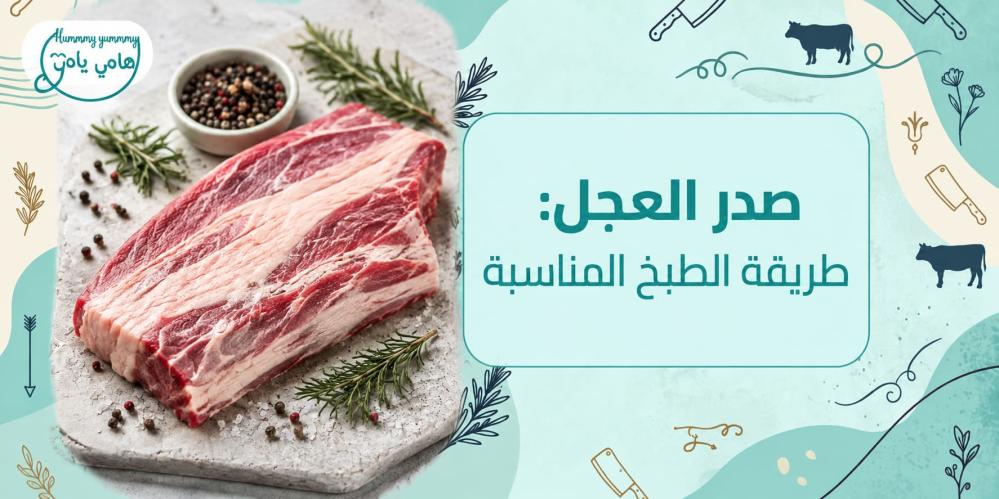
You buy veal brisket, put it into a regular boiling pot, and expect it to become tender quickly. Instead, the piece stays firm and chewy. In many cases, the problem is not the meat quality; it is the cooking decision.
Veal brisket comes from the chest area. It has connective tissue as a structural feature, which gives it a different texture and flavor profile. That also means it is not the right cut for quick boiling or direct fast grilling.
Where is brisket, and why can it be tough?
Veal brisket is taken from the front chest area. This section behaves differently from naturally tender quick-cooking cuts. Its structure can become a strength when cooked properly, but a problem when rushed.
When brisket is cooked too quickly, it may remain firm because the structure of the cut has not had the right cooking environment. The common question, “Why is brisket tough?” usually points to the method, not the cut itself.
Brisket works better with slow cooking, moist cooking, and covered environments. Quick boiling works against its nature.

Is veal brisket the same as brisket?
Yes. Brisket is the common international name for the chest cut. However, local butcher names may vary, so the name alone should not be your only reference.
Confirm the location and the intended use. Is it actually from the chest? Is it suitable for your cooking method? Will it be sold whole or cut into portions?
Quick boiling vs slow cooking
The difference is not simply water versus no water. It is about how the cooking method interacts with the meat structure. Quick boiling focuses on speed, but brisket needs a method that respects its texture.
Slow or moist covered cooking gives brisket a better chance to become enjoyable. No made-up temperatures or timings are needed here; the practical rule is enough: do not rush brisket.
Brisket is not rushed. If you do not have time, choose another cut.

Three decisions before buying veal brisket
First: you have enough time and want a richer texture. In that case, brisket can be a good option when cooked in a covered or moist method.
Second: you need a quicker family meal or kabsa-style dish. Shoulder or neck may be more practical depending on the recipe and preparation style.
Third: you are not sure how to order it. Do not depend on the name alone. Explain the dish and the result you want. For an Arabic comparison, see the guide to the best veal cuts for boiling.
Veal brisket vs shoulder vs neck
There is no single best cut for every dish. The right cut depends on your time, method, and desired result. Brisket suits slower methods, shoulder is practical for everyday cooking, and neck is useful when broth and flavor are the main goal.
| Cut | Best for | Decision note |
| Veal brisket | Slow cooking and rich flavor | Not ideal for quick boiling |
| Shoulder | Flexible everyday cooking and kabsa | A practical option when time is shorter |
| Neck | Broth and clear meat flavor | Useful when the goal is broth, not steak |
Is “doush” the same as veal brisket?
The term doush can create confusion because local meat names vary between regions and butcher shops. Some sellers may use it for parts near the chest or neck, while others may mean something different.
Do not rely on the name alone. Ask whether the cut comes from the chest, whether it is suitable for boiling, and whether it needs slow cooking.

When should you avoid veal brisket?
Avoid it if you need a quick meal, if you want a simple fast boiling cut, or if you do not have time for a cooking method that suits the piece. In those cases, shoulder or another cut may be more practical.
If you have time and want a cut that benefits from slower cooking, brisket can be worth considering as long as the cooking decision is right.
How to order veal brisket
There is no verified standalone veal brisket SKU used here, so no unconfirmed product is linked. For bone-in veal with a cutting note, you can check Veal Meat with Bone and clarify your intended cooking method.
To browse available veal options, start from the local veal category. Ask whether the piece is whole or portioned and whether it suits a covered oven or pot method.
Frequently Asked Questions
Is veal brisket good for kabsa?
It can be used, but the result depends on the method. If you need a faster kabsa option, shoulder may be easier.
Can veal brisket be grilled?
It is not the first choice for quick direct grilling. It generally benefits from slower or more moist methods.
What is a faster alternative?
Shoulder is practical for many home dishes, while neck can be useful when broth and flavor are the goal.
Why does brisket become tough?
Often because the cooking method rushed a cut that needs a slower, more suitable approach.
Veal brisket is not a difficult cut; it is a cut that must be understood before cooking. If you have time and a moist or slow method, it can deliver a distinct result. If speed is your priority, choose shoulder or another more suitable cut.