
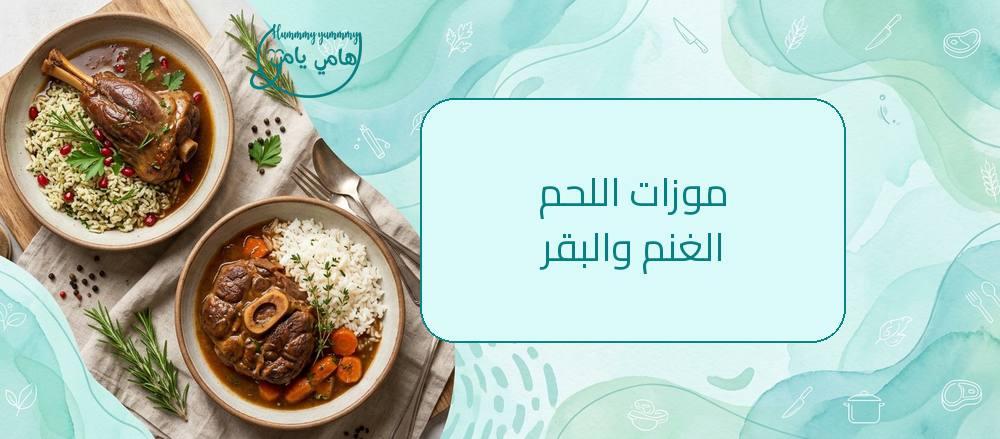
When you buy meat shanks, do not look at package weight alone. Bone is part of the total weight, and the number and size of the pieces can change how you serve the dish and how much edible meat remains after cooking. The right choice starts with the dish: kabsa, broth, boiling, stew, casserole, or a family meal that needs slow, moist cooking.
Meat shanks are cuts from the leg area, commonly available as lamb shank or beef shank. They usually work best in dishes that allow time and moisture, such as boiling, stews, braises, and kabsa. The difference between lamb shank and beef shank should not be decided by the name alone; piece size, bone content, cutting style, and serving plan all matter.
“The best shank is not simply the largest or most expensive piece. It is the one that matches your dish, piece count, and serving style.”
What Is a Meat Shank?
A shank is the cut associated with the leg portion of the animal. In a meat store, you may find lamb shanks or beef shanks, and the preparation can differ in thickness, piece count, bone content, and cutting style. That is why the product name alone is not enough when the recipe needs a specific shape or serving format.
What makes shanks important is their structure. They usually benefit from moist, slower cooking methods such as broth, stews, casseroles, and kabsa. If the goal is fast direct grilling, chops or steak cuts are usually a more relevant category.
Where Does the Shank Come From?
The shank comes from the leg area. Depending on the butcher’s cutting system, you may see different forms such as whole shanks or cross-cut pieces. Commercial names are not always identical across stores, so it is better to ask about the actual cut before ordering.
Ask before buying: Is it lamb or beef? Is it bone-in? Is it a whole shank or thick slices? Are the pieces similar in size? Is the piece count suitable for the way you plan to serve the dish?
Beef Shank vs Lamb Shank: What Is the Difference?
There is no useful rule saying lamb shank is always better or beef shank is always more suitable. A practical comparison starts with the actual product and the dish you want to cook. Choose lamb shank when you want lamb character in kabsa or broth, and choose beef shank when you prefer beef for boiling, casseroles, and long cooking.

| Comparison | Lamb Shank | Beef Shank |
| Best use | Kabsa, broth, stews, and moist cooking when you prefer lamb. | Boiling, broth, casseroles, and long cooking when you prefer beef. |
| What to check | Piece count, bone content, cut size, and serving style. | Piece count, bone content, cut size, and whether it fits your cookware. |
| Is package weight enough? | No. Bone and piece size affect the final edible yield. | No. Bone size and cutting style can change the usable meat amount. |
When Should You Choose Lamb Shank?
Choose lamb shank when the dish is built around lamb cooked in a pot, such as kabsa, stew, or broth. It is a practical option when you want a defined quantity instead of a whole carcass or a larger mixed order.
Review Lamb Shank from Hummmy Yummmy, then check the current product details, piece count, and cutting style before deciding the quantity.
When Should You Choose Beef Shank?
Choose beef shank when you prefer beef flavor or when the recipe is based on boiling, broth, casseroles, and long cooking. The key is to understand piece size, piece count, and whether the cut fits your pot and serving plan.
You can review Fresh Beef Shank from Hummmy Yummmy when you want beef for moist cooking, while avoiding quantity decisions based on gross weight alone.
Lamb or Beef Shank for Kabsa, Broth, and Stews?
Kabsa shows why piece count matters. If you want to serve whole shanks over rice, the number of pieces may matter more than total package weight. If you plan to remove the meat from the bone and distribute it over the rice, cooked edible yield becomes more important.
For boiling and broth, shanks can work well because they benefit from time and liquid. Still, the final result changes with cut size, cookware, heat, and cutting style. Do not apply one fixed cooking time to every shank.

Bone-In or Boneless: Which Should You Choose?
Bone-in is not automatically better, and boneless is not automatically better. If you want to serve a whole shank or prepare a clear broth, bone can be part of the serving experience. If you want easier edible-yield calculations, boneless meat is usually clearer when available.
When the product is bone-in, do not treat gross weight as the amount of meat guests will eat. A better decision considers piece count, bone size, and edible meat after cooking, ideally from a real product test or verified store guidance.
Why Do Shanks Need Longer Cooking?
Shanks are connected to the leg area, where connective tissue plays an important role. With longer moist cooking, collagen can gradually move toward gelatin, which helps create a softer texture in stews, broth-based dishes, and kabsa.
However, one universal cooking time is not responsible. Time changes with thickness, bone size, liquid amount, cookware, number of pieces, and whether you use a regular pot or a pressure cooker. Treat recipe timing as guidance, not a guarantee.
Can You Cook Shanks in a Pressure Cooker?
Yes, shanks can be cooked in a pressure cooker if the appliance instructions allow it. But there is no single time that fits every lamb or beef shank because piece size, thickness, cooker type, and liquid amount all affect the result.
For safety, follow the manufacturer’s instructions for maximum fill level, minimum liquid, locking, and pressure release. Also separate food safety from texture: shanks may be cooked beyond the minimum safety threshold because the recipe needs a softer texture.
How Do You Estimate the Quantity of Shanks?
Do not start with kilograms alone. Ask first: will each shank be served whole? How many pieces do you need? Are there side dishes? Will the meat be removed from the bone? Is the dish for a family meal or a gathering?
If the shank is served whole, piece count may matter more than weight. If the meat is removed from the bone and distributed through rice or stew, cooked edible meat becomes the more useful number. That is why fixed serving claims should not be published without a real product test.
How Should You Store Shanks After Delivery?
If you buy more than you need for one meal, divide the shanks by future use before storage. Keep lamb and beef separate, label each pack with meat type and storage date, and use packaging that can handle bone edges without tearing.
For broader refrigeration and portioning guidance, review Hummmy Yummmy’s meat storage guide.

Common Mistakes When Buying or Cooking Shanks
Comparing price without considering bone: a bone-in package is not the same as the same weight of boneless meat.
Expecting fast cooking: shanks should not be treated like quick-cooking steak.
Ignoring piece count: this matters in kabsa and gatherings when you want to serve whole pieces.
Freezing the whole order together: portioning by meal helps you avoid thawing more than you need.
Choose the Right Shank in Five Steps
1. Choose the dish: kabsa, boiling, broth, stew, or casserole?
2. Choose lamb or beef: based on preference and available cut details.
3. Ask about bone and piece count: package weight alone is not enough.
4. Think about edible yield: especially for gatherings.
5. Start with a defined quantity if this is your first trial: then decide whether a larger order makes sense later.
Both lamb shank and beef shank can work well for kabsa, boiling, broth, and slow cooking. The practical decision depends on the dish, serving style, piece count, and bone content. Do not judge from weight alone, and do not apply one fixed cooking time to every shank size.
Browse Lamb Shank from Hummmy Yummmy