
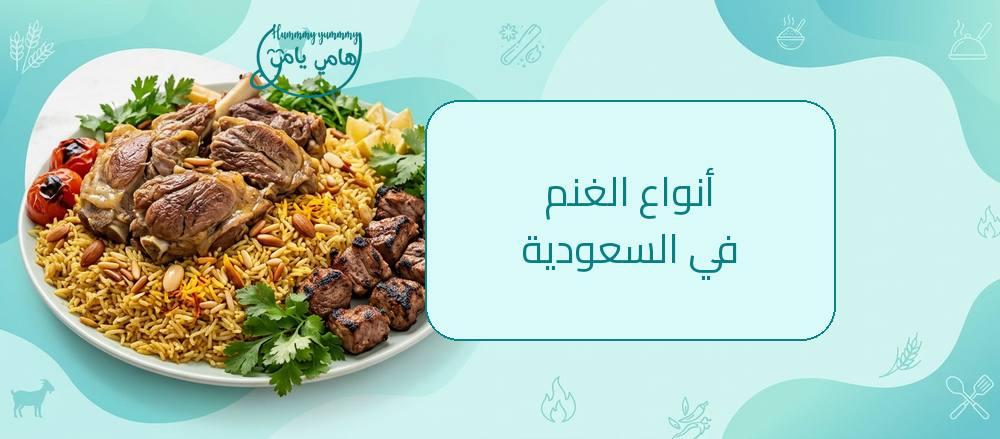
If you are preparing for a large family gathering, start with the number of guests and the amount of meat you need. If you are buying for everyday cooking, start with the cut and quantity. And if you are comparing Harri, Naeimi, and Sawakni sheep, do not search for the “best” breed until you have defined how you plan to use the meat.
Harri, Naeimi, and Sawakni are among the sheep types commonly compared by shoppers in Saudi Arabia. There is no single option that is best for every customer. A practical choice depends on the occasion, carcass size, quantity required, cut, preparation method, and cooking style.
Quick answer: Harri, Naeimi, and Sawakni are among the sheep types commonly compared in Saudi Arabia, but no one type is best for everyone. Start with occasion, quantity, carcass size, cut, and cooking method, then choose the option that fits your order. Review current product details before buying.
Your situationDecide this firstFamily gatheringNumber of guests and serving styleLarge feastRequired quantity, carcass size, and number of plattersEveryday cookingCut and quantityFirst-time trialStart with a smaller quantityGrillingSuitable cut and preparationMeal planningFreezer space and portioning
This approach turns a search for types of sheep in Saudi Arabia into a practical purchasing decision rather than a simple ranking of breed names.
What Are the Main Sheep Types Compared in Saudi Arabia?

Saudi livestock markets include several sheep types. Harri, Naeimi, and Sawakni are among the names frequently encountered by local consumers, and scientific research has examined Harri and Naeimi as genetically distinct sheep populations in Saudi Arabia, while other research has studied Sawakni sheep present in the Kingdom.
This guide is not intended to catalogue every sheep breed found in Saudi Arabia. Instead, it focuses specifically on the three types that are directly relevant to Hummmy Yummmy's current sheep products.
Harri Sheep
Harri is treated as a distinct Saudi sheep breed in genetic research conducted on sheep populations in the Kingdom.
From a buyer's perspective, however, the breed name should not be confused with carcass size. Harri products can be offered at different size ranges, so required quantity should be established before choosing a product.
Naeimi Sheep
Naeimi is another well-known sheep type in Saudi Arabia. Research published through King Saud University explicitly uses the designation Awassi (Naeimi) when genetically characterising this sheep population in the Kingdom.
That scientific classification does not tell a shopper which carcass size to buy. The correct product still depends on quantity and intended use.
Sawakni Sheep
Sawakni sheep are also present in the Saudi market and have been studied as a distinct sheep population in genetic diversity research conducted in Saudi Arabia.
As with Harri and Naeimi, it is important to separate the breed name from carcass size and purchasing format.
Terminology note: A goat is not a type of sheep. Goat products should therefore remain in a separate category rather than being mixed into a Harri, Naeimi, and Sawakni comparison.
What Is Harri Sheep?
Harri is recognised as a distinct sheep breed in genetic research on Saudi sheep populations. Modern genomic studies have demonstrated genetic differentiation between Harri, Naeimi, and other Saudi breeds.
For shoppers, the more useful question is not simply “What is Harri sheep?” but:
Does the available Harri size match the amount of meat I actually need?
At Hummmy Yummmy, you can review published Harri options such as the small whole Harri sheep and other sizes, but always check the current product page before ordering because weight ranges can change or appear in different page fields.
When Should Harri Be on Your Shortlist?
Harri may be worth comparing when:
- You want a whole carcass and already know approximately how much meat you need.
- You have tried Harri before and want a familiar option.
- An available size fits your gathering and storage capacity.
- You want to compare it directly with Naeimi or Sawakni under similar cooking conditions.
Buying an entire Harri carcass merely because the breed is well known is not necessarily the right decision.
If you only need a few meals or are trying the type for the first time, a smaller quantity may be more practical.
What Is Naeimi Sheep?
Naeimi is widely recognised in the Saudi sheep market, and King Saud University research describes and genetically studies Awassi (Naeimi) sheep in Saudi Arabia.
This does not mean Naeimi should automatically be ranked above or below Harri. Breed identity and suitability for a particular order are different questions.
Published Naeimi options include small fresh Naeimi sheep, with the current size and product details reviewed at the time of ordering.
Why Might a Smaller Size Be Useful?
If this is your first time buying Naeimi, starting with a smaller amount can be more practical than purchasing the largest available carcass immediately.
The same applies to smaller households or customers with limited freezer space.
A larger carcass should not automatically be interpreted as “higher quality.” Size describes quantity; quality requires separate criteria.
Harri or Naeimi?
Before choosing, answer six questions:
- Do you need a whole carcass or a specific quantity?
- How many people are you serving?
- What are you cooking?
- What cut or cutting style do you need?
- Have you tried either type before?
- How much freezer space do you have?
Once these questions are answered, the Harri-versus-Naeimi comparison becomes far more useful.
What Is Sawakni Sheep?
Sawakni is another sheep type found in the Saudi livestock market, and scientific studies have analysed Sawakni sheep populations present in Saudi Arabia.
A common mistake is to assume that the breed name alone tells you what size carcass you will receive or exactly how the meat will perform in every recipe.
Published Sawakni options include small fresh Sawakni sheep, with size, cut, and preparation checked on the current product page.
Instead of asking:
“Is Sawakni good?”
ask:
“Does the available Sawakni size, cut, and preparation suit the dish and quantity I need?”
When Can Sawakni Make Sense?
It belongs on your shortlist when:
- Its available size matches the quantity you need.
- You want to try it without ordering more meat than necessary.
- The required cut or preparation is available.
- You are comparing the three types by use case rather than reputation.
There is no need to label Sawakni automatically better or worse than Harri or Naeimi without a defined comparison criterion.
Harri vs Naeimi vs Sawakni: What Is the Difference?
When customers search for the difference between Harri and Naeimi, or compare both with Sawakni, it is important to separate measurable information from subjective impressions.
Scientific evidence supports genetic distinctions between sheep populations, but genetic differences do not automatically prove that one breed will always be more tender, tastier, leaner, or better for every cooking method.
The key takeaway is simple:
Breed alone is not enough to make a purchasing decision.
Two customers may compare the same three sheep types and correctly reach different conclusions because one is preparing a large feast while the other is planning several household meals.
What Is the Difference Between Harri and Naeimi?
Harri and Naeimi are distinct sheep populations, and genetic studies conducted in Saudi Arabia analyse them separately.
However, claims that one is always more tender, richer in fat, better for grilling, or better tasting require controlled evidence.
For a practical buying comparison, consider:
- Available carcass size.
- Required meat quantity.
- Cutting method.
- Specific cut.
- Previous household preference.
- Cooking method.
- Whole carcass versus smaller quantity.
Instead of asking:
“Is Harri better than Naeimi?”
ask:
“Which one fits this particular order better?”
Is One Sheep Type Better Than the Others?
No single sheep type is best in every situation.
The word “best” only becomes useful when a criterion is added.
Best for a large gathering? Best for two family meals? Best for a specific grilled cut? Best for freezer meal preparation?
Consider six factors before choosing:
- Occasion: gathering, feast, everyday cooking, or trial.
- Number of people: this determines quantity.
- Dish: kabsa, grilling, slow cooking, or another recipe.
- Cut: different cuts serve different purposes.
- Carcass size: based on the current product range.
- Previous experience and budget: especially when trying a new type.
A higher price does not automatically prove that a particular sheep type will perform better in every recipe.
Which Type Should You Choose for Different Uses?

For Gatherings and Feasts
For a large gathering, start with quantity rather than breed.
Determine the number of guests, number of serving platters, side dishes, and how the meat will be distributed.
Then choose the correct carcass size and compare the available breeds.
The Hummmy Yummmy guide to choosing the right carcass can also help with the broader purchasing decision.
Choosing a small carcass simply because you prefer a particular breed does not solve the quantity requirement of a large gathering.
For Kabsa
For kabsa, the breed name should not be the only factor.
Bone-in versus boneless preparation, cut size, and cooking method all influence the final dish.
A better first question is:
Which cut and preparation suit the style of kabsa I am making?
Once that is established, compare the available Harri, Naeimi, and Sawakni options.
For Grilling
For grilling, the cut may be more important than the breed name alone.
Different parts of a carcass have different structures and cooking requirements. Choose the cut, thickness, and preparation first, then compare sheep types within those conditions.
For Everyday Cooking
If you cook for a small household and do not need a large quantity, a whole carcass may be unnecessary.
A measured quantity or portioned meat box may make storage and meal planning easier.
For this use case, “Which sheep type suits my family?” is partly a quantity question rather than purely a breed question.
Breed or Carcass Size: Which Should You Choose First?
The correct order depends on the situation.
Large occasion: start with the required amount and carcass size.
Trying a new breed: start with a smaller quantity.
Need a particular cut: start with the cut and preparation.
Planning multiple meals: start with freezer space and portioning.
A “large” carcass is not automatically higher quality than a “small” carcass. These labels describe different quantities.
Comparison FactorHarriNaeimiSawakniCategorySheep meatSheep meatSheep meatAvailable sizeReview current product pageReview current product pageReview current product pageCan name alone decide?NoNoNoWhen not to choose itWhen size or format does not fit your needWhen size or format does not fit your needWhen size or format does not fit your need
These ranges are based on Hummmy Yummmy product pages available when this guide was updated. They should not be treated as fixed biological weights for each breed and should be checked every three months.
How Do You Choose the Right Carcass Size?
Use this checklist before ordering:
- Confirm the number of guests.
- Determine the number of serving platters.
- Define the occasion.
- Consider side dishes.
- Decide whether all the meat will be used at once.
- Check freezer space.
- Choose the cutting method.
- Decide between bone-in and boneless options where available.
- Confirm the delivery date.
- Review the current product weight range before ordering.
Avoid claiming that a particular carcass always serves a fixed number of people without accounting for actual weight and serving style.
Suggested Internal Test for a Fair Comparison
Hummmy Yummmy can later run a limited internal test comparing similar cuts from Harri, Naeimi, and Sawakni using the same method, while documenting cut, weight, thickness, cooking method, and photos. Results should only be published after the test is actually performed and should not be presented as a universal breed ranking.
The proposed Hummmy Yummmy test therefore uses comparable cuts from all three types while controlling the other variables.
Use:
- The same cut where possible.
- Similar starting weight.
- Similar thickness.
- Identical seasoning.
- Identical seasoning quantity.
- The same cooking method.
- The same cooking temperature.
- The same resting time.
- The same photography setup before and after cooking.
Whole Carcass or Meat by the Kilo?
Not every customer needs a whole carcass.
SituationMore Practical Starting PointLarge gatheringSuitable whole carcass after calculating quantitySmall householdSmaller quantity or meat boxFirst time trying a typeStart smallMultiple planned mealsPortioned box or quantityLimited freezer spaceAvoid unnecessarily large carcassesNeed one specific cutBuy the cut directly if available
A whole carcass makes sense when you can use or properly store the quantity.
If you only need meat for several everyday meals, buying more simply because a larger carcass appears attractive may create unnecessary storage and portioning problems.
Common Mistakes When Comparing Sheep Types
Choosing by Reputation Alone
Mistake: “Everyone talks about Harri, so that must be what I need.”
Better decision: define your use first.
Assuming Higher Price Means Better Results
Price is influenced by multiple commercial factors and does not independently prove which option will work best in a specific dish.
Ignoring Carcass Size
You may select the breed you want but end up with significantly more or less meat than required.
Comparing Different Cuts
Comparing ribs from one type with shoulder from another is not a controlled breed comparison.
Ignoring Cooking Method
Cooking temperature, time, thickness, and preparation affect the final result.
Buying a Whole Carcass for a First Trial
If you are undecided between two types, test a smaller quantity where available.
Relying Only on Marketing Language
Terms such as “luxurious,” “exceptional,” or “premium” do not explain a measurable difference between breeds.
Mixing Sheep and Goat Categories
Harri, Naeimi, and Sawakni are discussed here as sheep. Goat products require a separate comparison.
Judging from a Single Photograph
Lighting, camera settings, and preparation can distort visual comparisons.
Ignoring Cutting Instructions
How the carcass is divided can strongly affect how practical it is for your planned meals.
Frequently Asked Questions
What Are the Main Types of Sheep in Saudi Arabia?
Saudi Arabia has several sheep breeds and market categories. Harri, Naeimi, and Sawakni are among the names commonly encountered and compared by local shoppers. This guide focuses specifically on those connected with Hummmy Yummmy products.
Is Harri Better Than Naeimi?
Not without a defined criterion. Compare carcass size, quantity, intended dish, cut, preparation, and your previous experience.
Is Sawakni Suitable for Kabsa?
Breed alone is not enough to make that decision. The cut, bone-in or boneless preparation, size of the pieces, and cooking method should also be considered.
What Is the Best Sheep Type for Grilling?
Start with the right cut, thickness, and preparation for grilling. There is not enough evidence to claim that one sheep breed is universally best for every grilled dish.
Is Carcass Size More Important Than Breed?
Sometimes. If you are feeding a defined number of guests, quantity and carcass size may need to be decided before comparing Harri, Naeimi, and Sawakni.
What Is the Difference Between Sheep and Goat?
Sheep and goats are separate livestock categories. A male goat should therefore not be included in a comparison of Harri, Naeimi, and Sawakni sheep.
Choose Your Sheep Type in Four Steps
1. Define the occasion
Are you buying for a gathering, everyday meals, or a first-time trial?
2. Calculate the amount required
Consider guests, number of meals, and freezer capacity.
3. Choose the cut or purchasing format
Decide between a whole carcass, portioned box, or individual cut.
4. Compare Harri, Naeimi, and Sawakni for your specific use
Do not look for one “best sheep breed for everyone.” Look for the type, size, and preparation that best fit your order.
Start with your actual need, then compare fresh lamb, whole carcasses, and meat boxes at Hummmy Yummmy based on quantity, cutting style, and cooking method.